
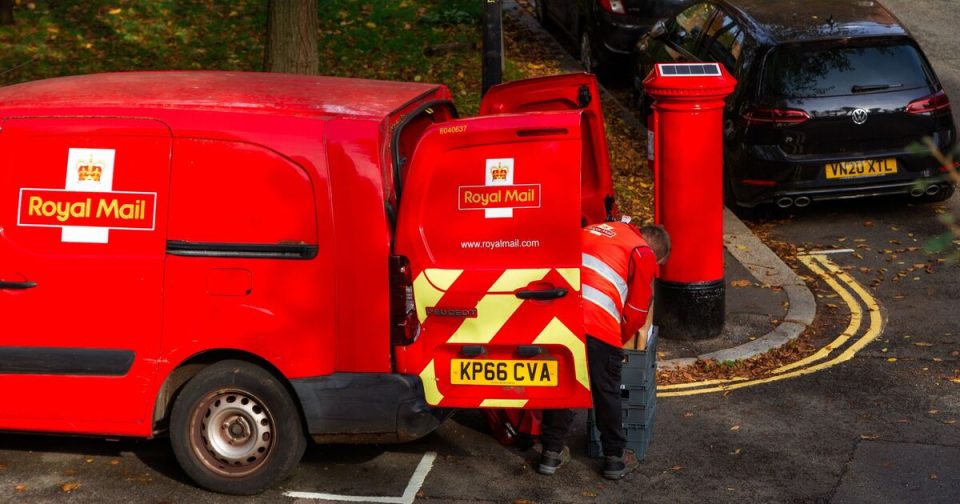
As of Tuesday, April 14, the disruptions are affecting 36 postcodes most severely, including Oxford, Lichfield, Deeside and Yate. During the past 24 hours, Royal Mail’s air network has operated according to schedule, although the road network has experienced some setbacks. A technical problem with a vehicle means post travelling from the Midlands Hub to Leeds Mail Centre left late.
Royal Mail said: “As a result, a small amount of mail due for delivery today in the BD, HD, HG, HX, LS, WF and YO postcode areas may arrive later than planned.”
“We aim to deliver to all addresses we have mail for, six days a week,” the company stated. “In a small number of local offices, this may temporarily not be possible due to local issues such as high levels of sick absence, resourcing, or other local factors.
“In those cases, we will rotate deliveries to minimise the delay to individual customers. We also provide targeted support to those offices to address their challenges and restore our service to the high standard our customers would normally receive.
“We’re sorry for any inconvenience and thank you for your understanding.”
Owner Daniel Kretinsky previously informed MPs: “Of course I am deeply sorry for any letters that arrive late.”
He rejected claims that Royal Mail’s record for late letter deliveries was worsening. Addressing the Commons Business select committee, Mr Kretinsky said: “It is not perfect, but it is not catastrophic.”
Customers have already faced a stamp price hike this month, with First Class stamps climbing to £1.80 and Second Class to 91p. The price of a First Class stamp back in 2020 stood at just 76p.
Royal Mail’s managing director of letters, Richard Travers, said: “We always consider price changes very carefully, balancing affordability with the rising cost of delivering mail.
“On average, UK adults now spend just £6.50 each year on stamps and there are 70% fewer letters sent than 20 years ago.”
Mr Travers added: “In the meantime, the number of addresses we deliver to has increased by four million to 32 million addresses across the UK.”
