
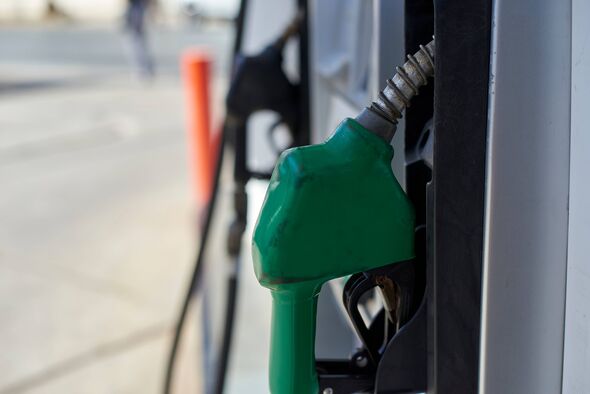

UK drivers could see some relief soon (Image: Pablo Jeffs Munizaga – Fototrekking via Getty Images)
Motorists could finally be set to see petrol and diesel prices begin to fall, according to the RAC. Rapid price hikes have been the norm since the US and Israel launched their attack on Iran at the end of February.
That triggered a sharp surge in oil prices, largely due to a key shipping lane, the Strait of Hormuz, becoming virtually impassable. A ceasefire between the US and Iran prompted oil prices to ease, though they remain considerably higher than they were prior to the conflict.
While the ceasefire remains precarious, it is this decline that should bring some welcome relief to drivers, the RAC said. Price rises have slowed considerably in recent days and have now ground to a halt – with reductions expected to follow shortly.
RAC head of policy Simon Williams said: “Pump prices appear to have finally stopped rising after 43 days of increases which saw petrol go up 25.5p to 158.3p and diesel 49p to 191.54p. Wholesale fuel costs are now significantly lower than they were at the start of the month, so forecourt prices should begin to come down. As things stand, we’d expect petrol and diesel to drop by several pence a litre in the next week or so.
“It will be very interesting to see if this plays out as the data indicates. We hope it does as drivers could do with some relief at the pumps with a tank of petrol for a family car now costing £87 and the diesel equivalent £105 – £14 and £27 more than they did at the start of the conflict.”

Drivers have been hit hard (Image: Images By Tang Ming Tung via Getty Images)
Read more: HSBC cash offer ‘doubled’ to £500 even if you’ve already applied
Read more: New HMRC message to 2million people ‘owing £200’
However, not everyone shares such optimism. Some experts have pointed the finger at US President Donald Trump for the soaring prices at the pumps, urging the Government to intervene and support drivers struggling to meet fuel costs.
They warned that the ceasefire was proving ineffective, with the price of oil still hovering around $100 a barrel – up from approximately $70 before the war – expected to remain elevated while the Strait of Hormuz continues to operate below normal capacity.
Riz Malik, Independent Financial Adviser at Southend-on-Sea-based R3 Wealth, cautioned that the situation could deteriorate further in the weeks and months ahead.
He added: “The ‘Trump tax’ you now pay on fuel could go even higher in weeks to come, especially as we are now playing real-life Battleships in the Gulf. Drivers should brace for things potentially getting a lot worse.”
Samuel Mather-Holgate, MD and IFA at Swindon-based Mather and Murray Financial, noted that drivers were already encountering £2 a litre at certain filling stations.
He added: “Three months ago we were gazing into the future thinking prices would never reach £2 per litre, now we are seeing it regularly on motorway service stations. It’s now a question of when average prices will reach this level as Donald Trump’s war in the Middle East rages on with no end in sight and no plan coming from the White House.
“The level of lunacy from the States, filtering its way into higher inflation in the UK and Europe, will leave a bad taste in the mouth of US’s allies that will need much repair by the next administration.
“More immediately, Trump will want to consider inviting some adults into the room, or at least allowing his European partners to take over negotiations to conclude this bloody conflict that is inflicting not just human pain on the people of the Middle East but economic pain on the West too.”
Anita Wright, Chartered Financial Planner at Ribble Wealth Management, noted that the ceasefire was having no discernible impact on prices.
She said: “A ceasefire in Iran was never going to bring prices down overnight. What matters to the fuel market isn’t just the fighting stopping, it’s whether oil can actually flow freely and reliably again. Right now, traders still aren’t convinced.”
