
Clocks will go forward in the UK in days, providing more daylight for Britons in the evenings – but what changes do you need to make around the home? In Britain, clocks go forward one hour at 1am on the last Sunday in March, which falls on the 29th in 2026. They also go back one hour at 2am on the last Sunday in October (25th).
This weekend’s change will see the UK moving into British Summer Time (BST), also known as Daylight Saving Time, as we move towards the longer days of summer. And while many devices will automatically adjust to the time change, there are some instances where they have to be changed manually. So to avoid getting a nasty shock on Monday morning, here’s five things you should check this weekend to avoid disruption.
Heating / central-heating timers
Though spring is finally upon us, with Britain enjoying sunnier weather, it can still get pretty chilly – and many will still be using the central heating regularly.
Timers and the more sophisticated programmers allow you to schedule when the heating turns on in advance and prevent waste during the hours when you don’t need it.
Modern ones usually update automatically, though older analogue versions may need to be adjusted manually.
Failure to have it at the correct time will mean any schedule you enter will be off by an hour, creating unnecessary waste.
Alarm Clocks
This is another important consideration, unless you want to get an angry call from your line manager on Monday morning.
Some are radio-controlled and will change themselves, as will “smart” alarm clocks that connect to WiFi. But older battery-operated ones will need to be shifted forward manually.
This also goes for wall clocks, which are easy to forget about. Check the model online or compare it to an automatically updated device after the change if you’re not sure whether it switches over on its own.
Wristwatches
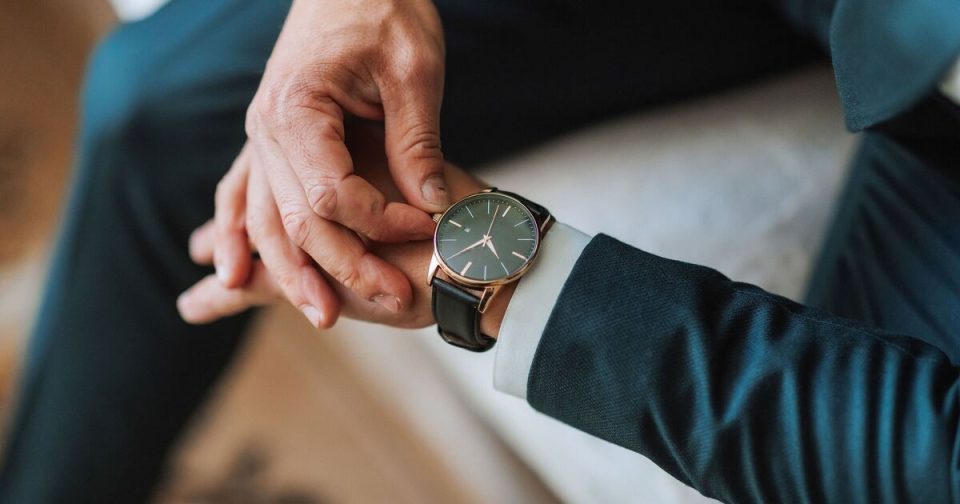
Both analogue and digital wristwatches will also need to be adjusted if they’re not “smart” and connected to the internet.
With traditional mechanical watches, this is as simple as a twist of the dial, also known as a crown. And on a digital watch, it’s as simple as navigating to the set time option and moving it an hour forward.
Car clocks
Your car clock is another easy one to overlook. Many modern cars will use GPS or cellular data to set clocks forward on Sunday.
However, with older models, it will need to be adjusted. You can do this by accessing the menu or settings on your dashboard.
Ovens and microwaves
While most people will primarily check the time using their phones, it’s all too easy to glance at appliances around the home with a time display and assume it’s right without checking.
Ovens, microwaves, and even some toasters have digital displays to help you time meal preparation.
While there are smart ovens and microwaves, the overwhelming majority aren’t. Consult the device’s user manual to navigate to settings and shift it forward by an hour before bed on Saturday to have it accurate by the time clocks change.
This advice applies to anything in the home with a time display that doesn’t update itself.
