
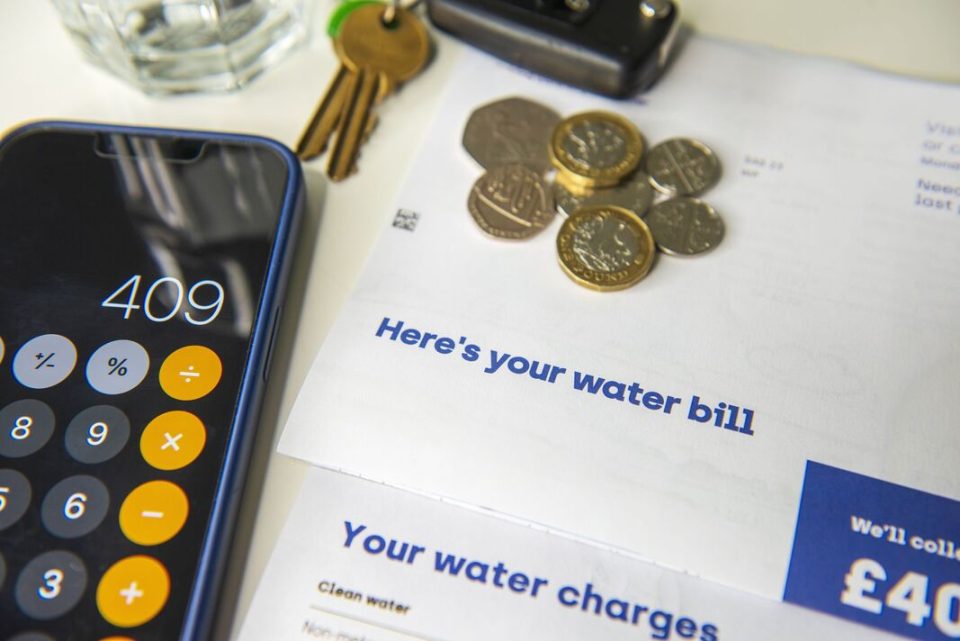

From next Wednesday, water bills will rise by £2.70 a month on average f (Image: Getty)
From next Wednesday, UK households will face higher costs across several everyday bills. Water, council tax, and TV licences are all set to rise at the start of April, potentially leaving a noticeable dent in the monthly budget of millions of Brits across the UK. Other charges, such as car tax and the price of popular drinks like Guinness and Smirnoff, are also expected to increase.
However, it’s not all doom and gloom. Some costs, including rail fares and prescription charges, will remain frozen while benefits, state pensions, and the National Living Wage are set to rise.
READ MORE: Martin Lewis issues warning over £332 Ofgem price cap increase from July
READ MORE: Households with power showers hit with £25 charges from April

Local authorities in England have been allowed to increase council tax (Image: Getty)
Water bills
Water bills in England and Wales are set to increase by an average of 5.4%, adding about £33 a year and bringing the typical annual bill to £639. Scottish households will face even higher increases, with bills rising by an average of 8.7%.
The biggest percentage increase will be experienced by some Affinity Water customers, with bills rising by more than double the average at 13%.
The rises are part of a £104 billion programme aimed at upgrading the country’s water infrastructure, reducing sewage spills and securing future water supplies. Support is available for eligible households through social tariffs. During the 2026-27 period, 2.5 million households will receive bill support with an average discount of 40%. Click here for the full list of discounts.
Council tax
Local councils across England, Wales, Scotland, and Northern Ireland are adjusting council tax rates, with a number implementing the maximum permitted rise of 4.99%.
In England, most councils are increasing charges close to the 4.99% annual cap. Seven councils have been granted higher limits due to financial pressures, with hikes ranging from 6.74% to 8.99%.
In Wales, proposed increases vary between 3% and 6.25%. Some councils, including East Dunbartonshire and Aberdeenshire in Scotland, are raising rates by up to 10%. In Northern Ireland, average District Rate rises range from 1.96% to 4.5%.
Check your council tax rise with our interactive tool here.
TV licence fee
The annual TV licence fee is soon set to increase by £5.50 a year. The standard annual colour TV licence fee is rising to £180 from April 1, up from £174.50.
Households must pay if they:
- Watch or record live TV on any channel or service
- Use BBC iPlayer
Certain groups qualify for discounts. Free licences remain available for over-75s on Pension Credit, with reduced fees for care home residents and blind individuals.
You do not need a TV Licence to watch:
- Streaming services like Netflix and Disney+
- On-demand TV through services like All 4 and Amazon Prime Video
- Videos on websites like YouTube
- Videos or DVDs.
Broadband and mobile
Several providers, including Virgin Media, Sky, BT, and EE, will raise monthly broadband and mobile bills by up to £4 from April.
Many customers who are out of contract can switch providers without penalties to avoid these hikes. Social tariffs and bundled deals may also help reduce costs, but it’s important to check for exit fees before changing plans.
Car tax
Other notable rises include car tax, which will increase to £200 for standard vehicles, with additional charges for high-value or luxury cars.
Stamps will also rise in April, with second-class letters increasing to 91p and first-class to £1.80, while air passenger duty is set to rise, pushing up flight costs. Meanwhile, the chances of winning on Premium Bonds will decrease slightly as odds are adjusted.
Despite these increases, there are areas of financial relief. Benefits linked to inflation, including Universal Credit, Jobseeker’s Allowance, Attendance Allowance, and Disability Living Allowance, will see rises between 2.3% and 4.8%.
Both the basic and new state pensions will increase by 4.8% from April, while the national living wage will rise to £12.71 per hour for eligible workers aged 21 or over, providing a boost of around £900 a year for full-time employees. Some energy bills may also fall slightly in April due to adjustments in the energy price cap, offsetting other rising costs for certain households.
