
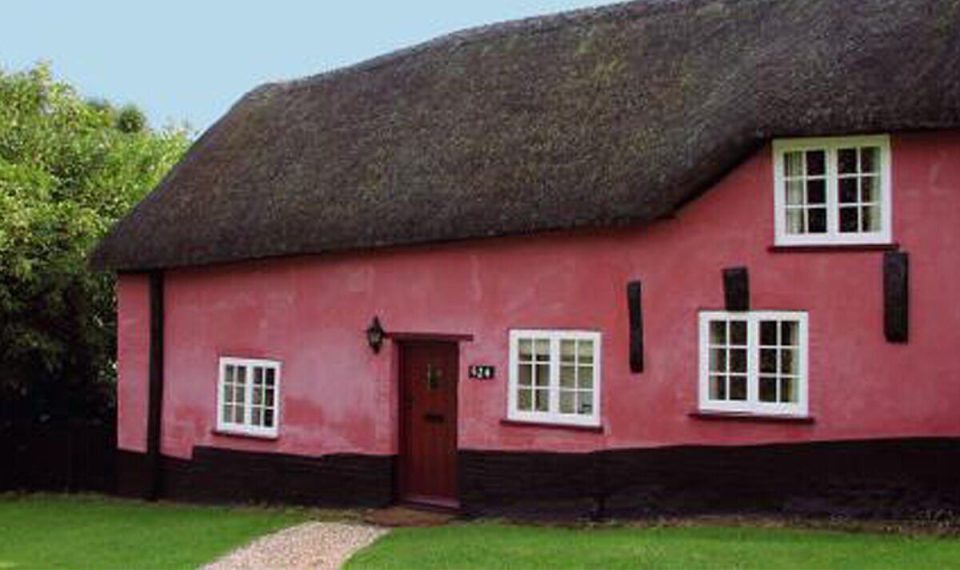

Many older homes were not designed to meet modern insulation standards (Image: -)
Historic villages owned by the National Trust are facing mounting uncertainty as Labour’s net zero plans threaten to leave large numbers of rental homes empty or unviable. Under proposed rules, landlords must ensure rental properties achieve a minimum Energy Performance Certificate rating of C by 2030 or face being unable to let them. While the policy is aimed at improving energy efficiency, heritage experts warn it could have severe unintended consequences for older buildings.
Many properties in traditional villages such as Pamphill and Shapwick in Dorset are centuries old, built using cob, timber and thatch. These features make them difficult, and in some cases impossible, to upgrade to modern insulation and heating standards without altering their historic character.
READ MORE: Labour wipe out fears as Green Party poised to unseat three top ministers
READ MORE: Polanski gives Starmer the fright of his life as Greens launch election campaign

West Wycombe is one of the only villages in the UK to be completely owned by the National Trust (Image: Photo by Geoffrey Swaine/Shutterstock)
The National Trust, which rents out around 2,500 properties across England, is among those most affected. According to The Telegraph, a significant number of these homes would struggle to meet the new requirements, raising fears they could be left vacant or require costly upgrades.
Andy Beer, the Trust’s chief operating officer, said the organisation supports improving energy efficiency in principle but warned that applying modern standards to historic homes presents major challenges. He noted that insulation, heating systems and space constraints can make compliance particularly difficult in smaller, listed cottages.
The issue is already being felt on the ground. In Shapwick, several properties are currently standing empty while awaiting upgrades to meet even the existing minimum standard.
Heating systems such as oil, commonly used in rural homes, often score poorly in EPC assessments, while planning restrictions can limit changes such as double glazing.
According to The Telegraph, one cottage was sold after upgrade costs were estimated at £100,000, far exceeding the £10,000 cap typically required for compliance. In another case, a large farmhouse could cost up to £1 million to bring up to standard before it can be rented again.
The jump from current requirements to an EPC rating of C represents a significant hurdle. Jonathan Thompson of the Country Land and Business Association said that while achieving lower ratings can be manageable, attaining a C rating for traditional buildings is “very difficult”.
There are also concerns that the rules may clash with conservation laws.
Many of the properties are listed or located in protected areas, meaning changes must be approved and cannot compromise the building’s historic character. This can lead to lengthy delays, with some projects reportedly taking up to 18 months to secure permission.
The growing regulatory burden on landlords is adding to the pressure. Alongside energy efficiency standards, property owners must also comply with stricter rules on safety, maintenance and tenant rights, increasing both costs and complexity.
A Department for Energy Security and Net Zero spokesman says: “We stand by the principle that every renter has the right to a decent, safe and affordable home – and almost half of privately rented homes already meet the standards.
“We have carefully listened throughout the policy process and have built-in protections, including a strict cost-cap and new and expanded exemptions.
“That is why this policy has been welcomed as a positive step forward by both tenant and landlord groups.”
